Digitális Árvaház - Barni

Arra a közel 4 hétre, amelyet 2017 júliusában az árvaházban töltöttem, azt tűztem ki célul, hogy jó minőségű internetkapcsolatot építek ki az árvaházban és a gyerekeket megtanítom a számítástechnikai eszközök és internet használatának az alapjaira.

A munkálatokat során a gyerekek sokat segítettek nekem, pl. tartották a létrát, amin akkor álltam, amikor a falu asztalosától kapott kézifúróval lyukakat fúrtam az árvaház külső falába az internetkapcsolatot biztosító modem rögzítéséhez, és ők vezetették keresztül a hálózati kábeleket a padláson is, ahol a felnőtt termetem miatt én csak üggyel-bajjal tudtam mozogni.

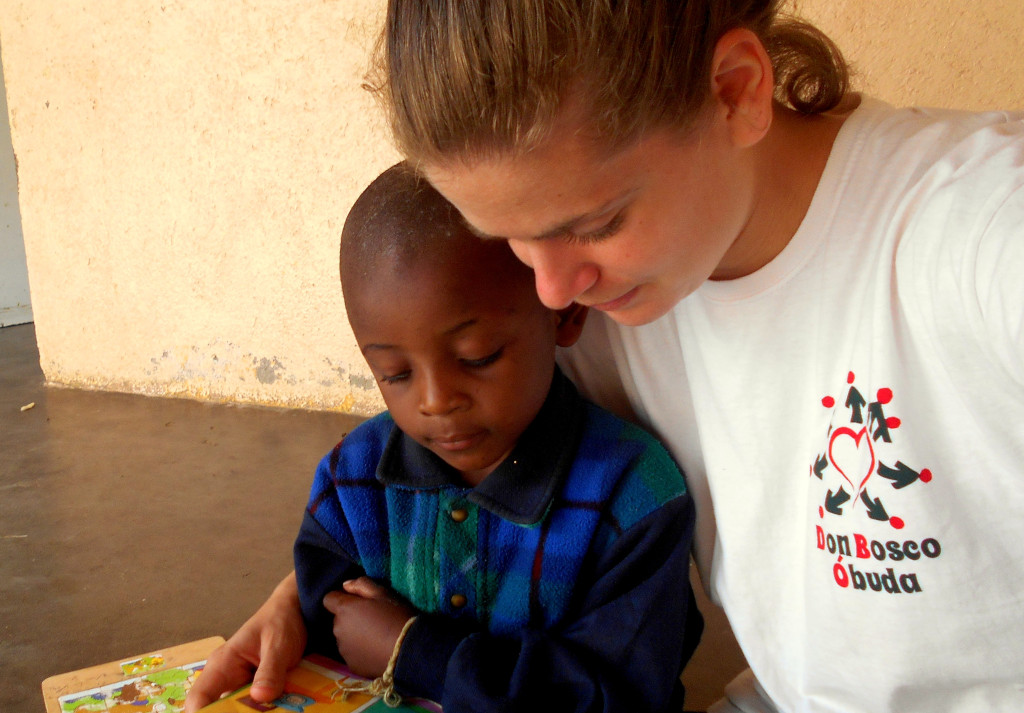
Miután létrejött az internetkapcsolat, először az árvaház történetében videóhívásban lépett kapcsolatba egymással egy gyerkőc és a magyarországi támogatója: Peter Ngila a videohívásban köszönte meg Horváth Nórinak a születésnapi ajándékát, a karórát, amit én vittem magammal Magyarországról, és megkérte Nórit arra is, hogy mutassa meg neki a lakását. Egész eddig a pillanatig kizárólag papírra írt levelekben kommunikáltak egymással a gyerekek és a támogatóik, ezeket a kiutazó önkéntesek hozták-vitték magukkal. Sok gyerek megtanulta, hogyan csatlakoztassa egymáshoz a különböző számítástechnikai eszközöket és az érdeklődő gyerekeket megtanítottam az emailezésre alapjaira is: ők emaileket is váltottak a támogatóikkal, amelyekben többek között képeket küldtek egymásnak.

Esténként többször is szuahéli nyelvű szórakoztató-oktató célú rajzfilm-sorozatokat néztünk a gyerekekkel, amelyeket az internetről töltöttem le. A gyerekek kedvenc epizódja az volt, amelyikben a főhős kislány patkányok megszámolásán keresztül tanulta meg a helyiértékeket. A dalt, amit a patkányok a rajzfilmben énekeltek, gyorsan megtanulták a gyerekek és napközben is énekelgették.

A 2 kg darált mákból, amit Magyarországról vittem magammal, kétszer is főztünk mákos tésztát ebédre. A tésztát és a mákot az első alkalommal, ahogyan mutattam nekik, még összekeverték a gyerekek, másodjára viszont már először megették az üres tésztát, a mákot pedig – amit csak úgy hívtak, hogy „the black” – műanyagpoharakba töltötték és azokból nyalogatták ki. A lekváros kenyeret is úgy fogyasztják el, hogy először lenyalják a tetejéről a lekvárt és csak aztán eszik meg a kenyérszeletet.

Vasárnap délutánonként Szilvi (a másik önkéntes) és én elvittük a gyerekeket a falu focipályára, ahol a gyerekek összeálltak a falubeli gyerekekkel, és a 20-30 gyerek két csapatra osztotta a társaságot beleértve minket is. Az elosztást Szilvi és én természetesen nem tudtuk megjegyezni, játék közben a gyerekek mozgásából próbáltuk kitalálni, melyikük van velünk és melyikük ellenünk. Sok gyerek mezítláb és némelyik lány ruhában játszott, a nagy beleélés miatt, amivel játszottak, sokszor nem igazán kímélték egymást.

Az árvaházban töltött közel egy hónap során meghatározó élményekre tettem szert és a gyerekekkel azóta is próbálom tartani a kapcsolatot, az aktuálisan kiutazó önkéntessel mindig küldök nekik valamilyen közös ajándékot.
Digital orphanage - Barni

For the almost four weeks I spent in the orphanage in July 2017, I aimed to establish a good quality internet connection for the orphanage, as well as teaching the children the basics of how to use computer technology and the internet.

During the construction work, the children helped me a lot; e.g., they held the ladder I stood on when I drilled holes – with the hand drill I got from the village carpenter – into the outer wall of the orphanage to secure the modem for creating the internet connection, and they were the ones to lead the network cables through the attic, where – due to my adult size – moving around presented its own challenge.

As soon as the internet connection was established, for the first time in the orphanage’s history, an orphan and his Hungarian patroness could get in contact: in the video call, Peter Ngila said ’thank you’ to Nóri Horváth for his birthday present, which was a wristwatch that I brought down from Hungary, and he also asked Nóri to show her apartment to him. Up until that moment, the children and their patrons communicated entirely in the form of paper-based letters, which the volunteers carried during their comings and goings. A lot of children learned how to connect the different computer devices, and I taught those who were interested the basics of how to write emails. These children also exchanged emails with their patrons, in which, among other things, they sent pictures to each other.

In the evenings, we frequently watched entertaining popular-science cartoons with the kids, which I downloaded from the internet. The children’s favorite episode was when the main character, a little girl, learned place values by means of counting rats. The children quickly learned the song that the rats were singing in the cartoon, and went on singing it during the day.

Out of the 2 kg of ground poppy seed that I brought down from Hungary, we twice cooked a poppyseed pasta lunch. On the first occasion, the children mixed the pasta with the poppyseed as I showed them to do; on the second occasion, however, they first ate the pasta on its own, and as for the poppyseed that they only called ”the black”, they filled it into plastic cups, licking it out of them. It is the same as with jam bread, which they consume by first licking the jam off the top – and only then do they eat the slice of bread.

On Sunday afternoons, Szilvi (the other volunteer) and I took the kids to the village football field, where they grouped up with the village children, and the 20 to 30 children distributed their gang into two groups, including us, as well. Of course, Szilvi and I couldn’t keep their distribution in mind; during the game, we tried guessing from the children’s movements which of them were with us and which of them against us. A lot of children played barefoot, some of the girls wore dresses, and because of the great devotion to the game, very frequently they did not play nice with each other.

During the almost one-month residence at the orphanage, I acquired momentous experiences; I have been trying to keep in touch with the children ever since, always sending some kind of a gift to them all via the volunteer scheduled to travel to them.

Te jó ég! Mit keres egy magyar gyermekpszichológus Kenyában?

Erőss Rebeka vagyok, pszichológus. Itthon mind felnőttekkel, mind gyermekekkel végzek terápiás munkát kórházi és magán körülmények között.

Nagy álmom vált valóra, amikor másodszori nekifutásra kijutottam Kenyába, a mesés környezetben fekvő St Joseph Gyermekotthonba, itt töltöttem többek között a Karácsonyt és a Szilvesztert is, végignézve az ünnepekhez kapcsolódó izgalmakat.

Nagyon tanulságos és soha nem feledhető élmény lett számomra ez a néhány hét. Mind az, amit itthon a barátaimtól, családomtól, és kollégáimtól kaptam, mivel nagyon sokan támogatták és segítették az utamat, hogy kinn mind anyagiakban, mind élményekben is adni tudjak.

Felejthetetlen volt az is, amit a helyiektől kaptam, segítőkészség, kifogyhatatlan szeretet és a mindennapi nehézségek ellenére a hatalmas életöröm. Fontos tapasztalat volt számomra, hogy mekkora esélyt kaphat egy ember az életben azzal, ha tanulhat és azzal, ha valaki szereti. Ezek elsőre nem is bonyolult dolgok, az igazi jelentőségüket talán akkor értettem meg, amikor a saját - minden értelemben vett - határaimat, és biztonsági zónámat elhagyva megtapasztaltam egy másik világot. Persze itthon is mindig sok a tenni való, de egy globális szemüvegen keresztül fontos felelősségünk van abban ami a "határainkon" kívül történik.

Good heavens! What is a hungarian childrens’ psychologist doing in kenya?

I am Rebeka Erőss, psychologist. At home, I conduct therapy work both with adults and children, within hospital bounds and on a private basis, as well.

A great dream of mine was realized when, on a second attempt, I got out to Kenya, into the St. Joseph Orphanage, located on a fabulous landscape; this was the place where I spent Christmas and New Year’s Eve, witnessing all the holiday-related excitement to the very end.

These few weeks became a very instructive and unforgettable experience for me. I am thankful for everything I received from my friends, family and colleagues; a lot of people supported and helped my journey, ensuring that I have the chance to give both financially and experience-wise.

What the locals gave me remains unforgettable: the helpfulness, the inexhaustible love and the huge joy of life in spite of everyday difficulties. It was an important experience for me to see how much of a chance one gets in life through the opportunity to learn and if somebody loves them. At first sight, these are not complicated things, their real significance became clear to me perhaps when leaving behind my boundaries and safety zone – in every sense – to experience another world. Of course, there is always a lot to do in our home country, as well, but viewed from a global perspective, we have an important responsibility regarding that which happens outside our “boundaries”.

Mosoly a nyomorban

Sok fiatal tervezi, hogy rövidebb-hosszabb időre elmegy világot látni, kiszakadni a megszokott keretek közül, megismerni egy másik kultúrát. Egzotikum, kaland, kultúrsokk – egy kenyai árvaház a legjobb terep mindezek megtapasztalásához.

Oláh Anita frissen végzett óvónő. Régóta foglalkozik gyerekekkel a bölcsődében és a játszóházban, ahol dolgozik, ezek mellett animátorként hosszú évek óta hátrányos helyzetű, köztük cigány gyerekeket táboroztat. Véletlenül ismerte meg a Taita Alapítványt, akik egy kenyai árvaházat támogatnak. A kalandvágy és a segíteni akarás vitte két és fél hónapra Bura Mission-be a kenyai hegyek közé, ahonnan néhány hete érkezett haza. Azt mondja, nem gondolta volna, hogy a budapesti forgatagot és zajt ilyen nehéz lesz megszoknia. Az életre szóló élmények még kavarognak benne, és úgy érzi, hogy itthon nincsenek problémák, legalábbis azok eltörpülnek az Afrikában látottakhoz képest.

Nagyon szeretek utazni, ez, és az alapítvány szellemisége együtt elég volt, hogy komolyan elhatározzam: elmegyek Afrikába. Másfél évig készültem erre. Az önkéntes munka itthon kezdődik, adományt gyűjtünk, nevelőotthonban programokat szervezünk, iskolákban Afrika napokat tartunk játékokkal, zenével. Az is egy érdekes kezdeményezés, hogy az itthoni nevelőotthon gyerekei rajzokat küldenek Burába.

A teljes cikk itt olvasható

Smile in the squalor

A lot of young people have their plans to go and see the world, tearing themselves out from their usual peripheries, getting to know a different culture. Exoticness, adventure, culture shock – a Kenyan orphanage is the best field for experiencing all these.

Anita Oláh is a freshly graduated kindergarten teacher. She has been taking care of children for a long time in the nursery and the playhouse where she works, and besides these, she helps out as an animator in camps for kids with multiple disadvantages, including Roma children. It was by pure chance that she got acquainted with the Taita Foundation which supports an orphanage in Kenya. A yearning for adventure and the urge to help took her on a Bura Mission into the mountains of Kenya for two and a half months, from where she returned a few weeks ago. She says she never imagined it would be so difficult to get used to the hustle and bustle, and all the noise of Budapest. The experiences (which will last for a lifetime) are still whirling around in her and she feels like no problems exist at home, or at least what we have are miniaturized compared to those encountered in Africa.

I love travelling – this, and the spirituality of the foundation was enough to make me seriously determined to go to Africa. I have been preparing for this for half a year. The volunteering job starts at home: we are collecting donations, organizing programs in foster homes, hosting Africa-days in schools with games and music. Another interesting initiative is that the children from the foster homes in our country are sending pictures to Bura.

The full article can be accessed here. (Hungarian)

A 3 kismalac

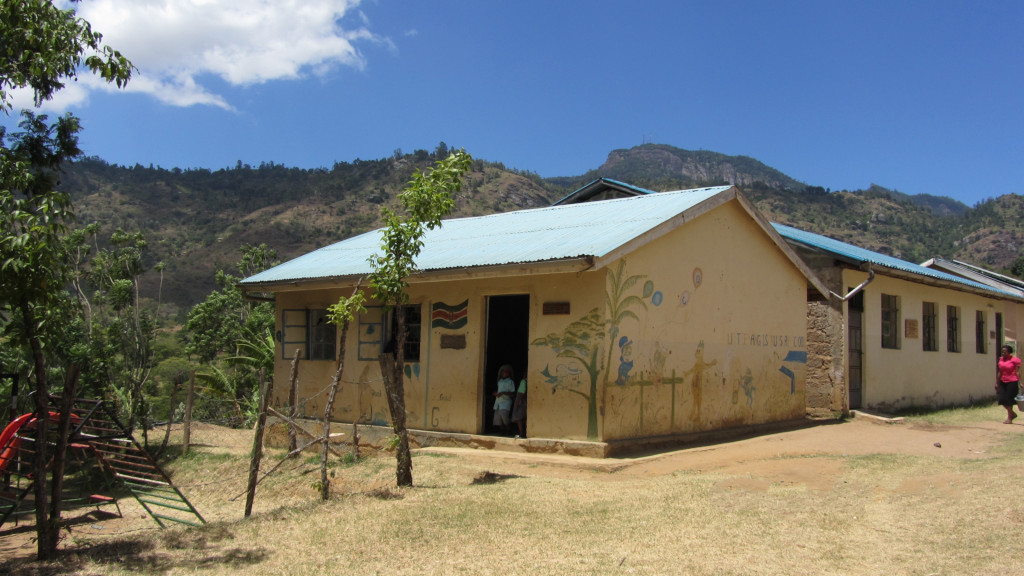
Könczöl Kamilla vagyok, szociálpedagógus. Régi álmom volt, hogy a főiskola befejezése után egy afrikai árvaházban végezzek önkéntes munkát. Sokáig kerestem a lehetőségeket, míg végül rátaláltam a Taita Alapítványra, mely segítségével 2016 májusában indultam útnak Kenyába, a gyönyörű, hegyek között fekvő Bura Mission faluba.

Egy évig önkénteskedtem itthon a kiutazás előtt, valamint a hazatérés után is segítettem különböző feladatokban. Már az alapítvánnyal való első találkozás során tudtam, hogy a Taita Alapítvány a legmegfelelőbb választás volt, a mai napig szerencsésnek tartom magam, hogy velük utazhattam.

Az árvaház nagyon szép környezetben van, a helyi emberek kedvesek, a gyerekek pedig okosak, szófogadóak, segítőkészek, aranyosak és teli vannak szeretettel (és szeretetvággyal).

Amikor megérkeztem, az összes gyerek a nyakamba ugrott, már tudták a nevemet és vártak, és úgy viselkedtek, mintha már rég ismernénk egymást. A sok szeretet és ölelés, amit kaptam, később is jellemző volt, minden nap óvoda, iskola után nagyon örültek nekem, mindig sokan voltak körülöttem.

Örömet okozott látni a csillogó szemüket, amint mindennek szívből örülnek, értékelik a kis apróságokat, egyszerű dolgokat is. A magyar támogatóktól kapott leveleket, kis ajándékokat, adományként gyűjtött vitaminokat, bármilyen közös programot, még a közös munkát is, de persze az együtt töltött szabadidőnek, játéknak jobban örülnek (legyen az rajzolás, készségfejlesztő játék, kézműveskedés, sport, kirándulás, mesenézés, bármi, ahol ki tudnak kapcsolni, főleg, ha az önkéntessel együtt gyakorolhatják). A kedvencek persze a különleges programok voltak, mint a főzés, amikor kenyai vagy magyar ételeket készítettünk, illetve, mikor strandon jártak, már a készülődés és a buszozás is külön élmény volt.

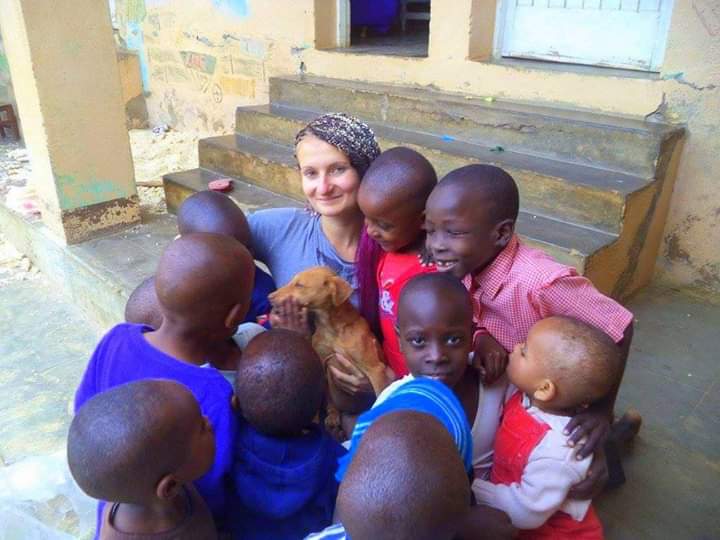
A szürke hétköznapoknak általában két fénypontja volt, az állatfarm és az esti mese. Iskola és óvoda után azonnal kérték, hogy látogassuk meg az állatokat. A farm közvetlenül az árvaház mögött van, nagyon szeretnek oda járni a gyerekek. A házi állatok mellé érkezett egy anya és 3 kölyök kutya is. Tanítgattam őket arra, hogyan bánjanak az állatokkal, hogyan ne okozzanak nekik fájdalmat, simogassák őket, figyeljék, van-e nekik vizük, ételük. A nagy kutyussal sétálni jártunk, hétvégén pedig együtt takarítottuk ki a házukat, takaróikat. Sajnos Afrikában nem bánnak jól az állatokkal, a kutyákat is haszonállatnak tekintik, nem néznek rájuk szeretettel. Ezért is örültem, mikor láttam a gyerekek érdeklődését az állatok iránt, ami nőttön-nőtt az által, hogy megtanulták, hogyan forduljanak az állatok felé.

A kedvenc meséjük A 3 kismalac volt, bárhányszor szívesen meghallgatták, és kívülről tudták. Mese után magyar dalokat énekeltem nekik, mindenkinek külön egyet-egyet, a legtöbbet ők is tudták fejből és velem dúdolták. Én is tanultam tőlük egy gyönyörű mondatot, Lala salama, azaz Jó éjszakát!

Úgy gondolom, a legfontosabb, amit az önkéntesek adhatnak, az a személyes figyelem, szeretet, ölelés, együtt töltött idő, bátorítás.

Csodás az a pozitivizmus, életöröm, szeretet, tanulni vágyás, érdeklődés, amit a gyerekektől tanulhat az önkéntes.

Életem egyik legjobb és legmeghatározóbb időszaka volt, rengeteg tapasztalatot szereztem, sokat fejlődtem és nagyon jól éreztem magam. Hálás vagyok, hogy megismerhettem a gyerekeket, a helyi embereket, a kultúrájukat, egy egészen más világot, amire mindig szeretettel fogok visszagondolni.

Anyukám is utánam jött egy hétre, ő mindig is gyerekek között dolgozott, így nagyon várta már, hogy megismerhesse a kenyai árvaház kis lakóit, és elvarázsolta a találkozás, sosem felejti el az élményt. Reméljük, még lesz lehetőségünk újra kiutazni a gyerekekhez, és újabb csodás emlékeket szerezni.

The 3 little pigs

I am Kamilla Könczöl, social pedagogue. It was an old dream of mine to do volunteering in an African orphanage after graduating from college. After spending a long time exploring my options, I finally hit on the Taita Foundation, by the help of which, in May 2016, I set out for Kenya, into the beautiful, mountain-embraced village of Bura Mission.

Before my journey, I volunteered for a year at home, and after returning home, I continued to help with various tasks. Already upon my first encounter with the foundation, I knew that the Taita Foundation was the best possible choice for me; up to this very day, I consider myself lucky to have had the chance to travel with them.

The orphanage is located in beautiful surroundings, the locals are nice, the children are clever, obedient, helpful, sweet and full of love (and a yearning to be loved).

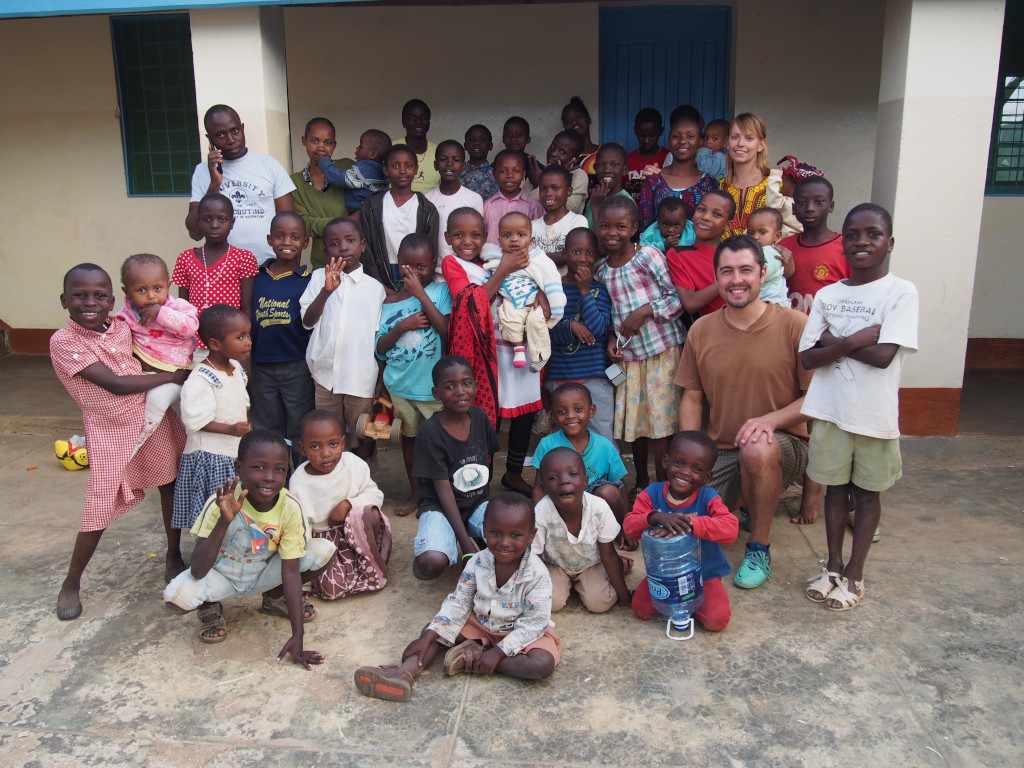
When I arrived, all the children jumped onto my neck, they already knew my name and were waiting for me; they behaved as if we had known one another for a long time. The abundance of love and hugs that I got remained just as common later; every day, after their kindergarten or school: they were very happy to see me, they always spent a long time around me.

It was a joy for me to see their sparkling eyes, as they were genuinely happy about everything, appreciating little and simple things, as well. This was true for the letters and the little gifts they received from their Hungarian patrons, the vitamins collected as donations, any kind of community programs, even working together, but of course they were even happier about their leisure time spent together, playing games (whether it be drawing or skill-enhancing games, handicrafts, sports, excursions or watching children’s tales, anything that gives them the chance to wind down, especially if they can pursue them together with the volunteer). Of course, their favorites were the special programs like cooking, when we made Kenyan or Hungarian food together, as well as visiting the beaches, when even getting ready and riding the bus was a special experience in themselves.

The gray weekdays usually had two highlights: the animal farm and the evening children’s tale. After their kindergarten and school ended, they immediately asked us to visit the animals. The farm is directly behind the orphanage; the children loved visiting it. The domestic animals were augmented by a mother dog and three puppies. I also tried teaching them how to deal with animals, not causing them pain, how to pet them, pay attention to whether they have enough water and food. We took the big dog for a walk, and on weekends, we cleaned their house and blankets together. Unfortunately, in Africa, people do not treat animals well, they consider dogs service animals, not viewing them with affection. That is one of the reasons why I was so happy to see the children’s interest in the animals, which grew by the minute after they learned how to turn towards them.

Their favorite fairytale was the Three Little Pigs, which they would listen to at any time, and knew by heart. After the children’s tale, I sang them Hungarian songs, one for each child; they knew most of them by heart and hummed them with me. I also learned a beautiful phrase from them: Lala salama!

I think the most important thing the volunteers can give is their personal attention, love and hugs, the time spent together and the encouragement.

The positivism and joy in life, love and desire to learn and their curiosity are all wonderful things that volunteers can learn from the children.

It was one of the best and most momentous periods of my life: I gathered plenty of experience, developed a lot and had a great time. I am thankful to have gotten to know these children, the locals, their culture, a completely different world which I will always recall with affection.

My mother also followed me for a week; she has always worked among children, so couldn’t wait to get to know the little residents of the Kenyan orphanage, and she was enchanted by this encounter: she will never forget the experience. We hope we will have some more chances to travel to the children, gathering more wonderful experiences.

Kővágó Veronika beszámolója

Az árvaház egy paradicsomi faluban van Taita hegyen. Gyerekek mindenhol. Picik és nagyok, mindenki egyszerre sírja-mondja a magáét. Élet zajlik. Nincs rend,de káosz annál inkább. Mégis, van ebben valami édes szabálytalanság. Semmi sem állandó, ki tudja mi lesz holnap. Önkéntesek és adományozó látogatók jönnek, aztán mennek. Szüleik nincsenek, de végül is mindenki mindenkinek a testvére itt. Néha összekapnak, de figyelnek nagyon egymásra. Ismerik egymást jól. Próbálok játékosan rendet bevezetni, játszani velük. Kisebb-nagyobb sikerrel. Rájövök, hogy az esti meséim előadásával leveszem őket a lábukról. Innentől az a szabály, hogy ha nincs rend a szobákban, nincs mese. Beválik. Legalábbis éjszakára, mikor a mese után minden elcsendesedik (csak pár baba gőgicsél kitartóan éjszaka is) és a csillagok ráborulnak a házra.

De hajnali 5.30-tól ismét kitör a hangzavar és a káosz. Az egyik visít, a másik énekel , a harmadik bőg, a negyedik hisztizik és ez nagyjából így megy estig. De hát ezen nincs is semmi meglepő, ha 36 gyerek lakik egy házban és nappal 4, este 2 dada vigyáz csak rájuk. Nem beszélve arról, hogy komoly érdekérvényesítés megy, harc a játékért, a figyelemért és egy kis szeretetért. Aztán a nagyobbaknak irány az óvoda-iskola. Reggel 7-től délután 5-ig és még este házi feladat is marad.

Sok hiba van még az iskolarendszerben, de legalább már van! A hiba, hogy kicsit mindenben fontosabb a mennyiség, mint a minőség. Néha emiatt a fejem verném a falba. De ez még jó pár év mire megváltozik. Más is zavar, pl. az, hogy képtelenség valamit gyorsan, hatékonyan elintézni. De hamar megtanulom, nincs mit tenni, itt ez van. Itt pole-pole van, ahogy ők mondják, ami annyit tesz: lassan-lassan...Talán van is benne valami. Nem kapkodnak annyit, nem gondolnak annyit arra ami volt, vagy arra ami lesz, hanem élnek a pillanatban. Nekünk is van mit tanulni tőlük!

Itt valahogy az elvárások és az igények sem olyan magasak. Áthatja az egész társadalmat a hakuna matata (=nincsen semmi baj). És ebben is van valami békés elfogadása a sorsnak. (Persze muzunguként (fehér ember) nem mindig könnyű, főleg az utcán, lépten-nyomon valamit el akarnak adni. Átverni is próbálnak és kisebb-nagyobb hazugságokon is rajtakapom őket De legalább egy idő után kezdem átlátni, kiben mikor bízhatok meg. Nem könnyű, sőt fárasztó!)

Napközben a babák otthon maradnak. Akik már tudnak járni, azokkal nap mint nap kimegyünk az udvarra. Meglátogatjuk a röfiket, bocikat meg kecskéket. Minden nap ugyanakkora lelkesedéssel szemlélik őket. :-) A csecsemők sokat sírnak, de ha felkapom, óriási hála a szemében, hogy kicsit vele is van foglalkozva. Szeretik hallgatni a magyar népdalokat, attól megnyugszanak.

Esténként és hétvégente sokat játszunk, de csak egyszerűbb játékokat, a komolyabb szabályok már gondot okoznak, nem is erőltetem. Rajzolni, színezni, festeni imádnak. Ilyet sem oviban, sem az iskolában nem csinálnak. Barkácsolunk mindenféle szépet a magyar családoknak, akik a gyerekeket támogatják. Nagyon hálásak érte. Majd kiszínezzük a szobákat a gyerekek színes kéznyomaival. Imádják, hogy magukra kenhetik a festéket. Csillogós tetkót rakunk fel, nagy harc megy, hogy ki melyiket kapja, de mindenki kap egyet, mehet a buli. Berakjuk a zenét és megy a tánc. A vérükben van, még a legkisebbnek is. A kezükbe adok partvist, vödröt, botokat, csörgőt, máris olyan ritmusok állnak össze!

Nagy élmény mikor strandolni megyünk. Hetek óta csak erről beszélnek, óriási az öröm, mikor végre ott lehetnek. Imádnak a rétre járni, focizni, fára mászni, mangót gyűjteni. Néha mezítláb, kicsit szakadt ruhákban, de bátran. Igazi kis vadócok, egész nap kint vannak a szabadban. A természet gyermekei ők.

Aztán főzünk is többször. A nagyobbak segítenek is a csirkepörköltet elkészíteni, a végén még a kondért is kinyalják, annyira ízlik nekik. Végre valami más, végre egy kis hús. Aztán pedig forró csokit főzünk desszertnek. Van aki, mint a kis mókus, zacskóba rejti és magával viszi az ágyba. Azt mondja, azért, hogy minél tovább kitartson :-) Amúgy is kevés az, ami saját. Nem is nagyon tudják, ez mit jelent, mert mindent megosztanak egymással. De néha jó valami kis sajátot eldugni az ágyban, még ha az ágy már nem is igazán saját, mert ketten alszanak egy ágyban.

És végül a minden este elhangzó, szállóigévé vált: Good night, sleep tight, sweet dreams, bye-bye. Villanyoltás.

Veronika Kővágó’s account

The orphanage is located in a Paradise-like village, on Mountain Taita. Children everywhere. Tiny and big, everybody crying and saying what they have on their minds. Life is running its course. There is no order; rather, chaos reigns. And yet, some kind of sweet irregularity exists in all of this. Nothing is constant, who knows what tomorrow will bring? Volunteers and visitors ready to donate are coming, then going. The kids have no parents, but after all, everybody is everybody’s sibling here. Sometimes they seize upon each other, but they also watch out for each other. They know each other very well. I’m playfully trying to introduce some order, to play with them – with more or less success. I realize that by performing my evening children’s tales, I sweep them off their feet. From this moment on, it is a rule that if their room isn’t tidy, there is no fairytale. It works. At least during nighttime, when after the tale is told, everything goes quiet (with only a few babies cooing persistently even during the night) and the stars envelope the house.

However, from 5.30 at dawn, cacophony and chaos erupt again. One of the kids screaming, another one singing, the third one bawling, the fourth one having a fit: this is pretty much the way it runs on until the evening. Yet after all, this isn’t a surprise at all if thirty-six children are living in one house, with only four daytime nannies and two for the nighttime to take care of them. Not to mention the serious interest enforcements in progress, fights about toys, about attention, and a bit of love. Then for the bigger kids, off to the kindergarten or school. From 7 in the morning until 5 in the afternoon, and they even have homework for the evening.

The school system still has multiple flaws, but at least it finally exists! One flaw is that in everything, quantity is a bit more important than quality. Sometimes it nearly makes me bang my head against the wall. But it will take a good many years until this can change. Other things bother me, too, for example the impossibility of arranging matters rapidly and effectively. But I pick this up very fast, nothing to be done, this is what we have here. Here, we have pole-pole, as they say, which means: slowly-slowly... And perhaps there is something to it. They don’t scramble so much, don’t think so much about things that were or will be: they live in the moment. We can also find things to learn from them!

Here, somehow expectations and needs aren’t that high. The whole society is permeated by hakuna matata (= there is no problem). And this also has an element of peacefully accepting fate. (Of course, as a mzungu – white man – it isn’t always easy, especially on the street, they are trying to sell something upon every step you take. They are also trying to trick me and I catch them telling smaller or bigger lies, as well. But at least, after a while, I begin to see who can be trusted, and when. Not an easy job; on the contrary, a very tedious one!)

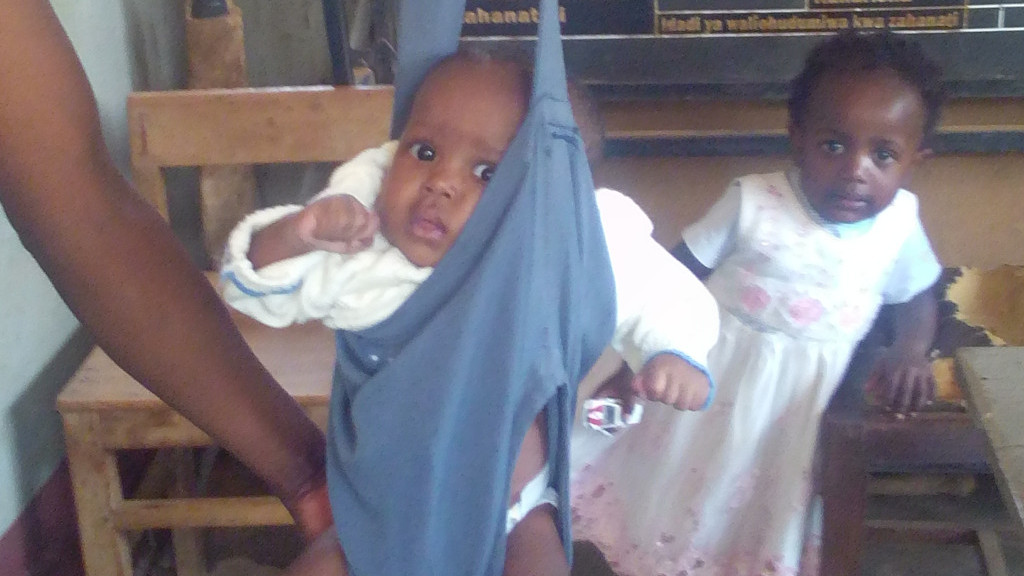
During the day, the babies stay at home. With those who can already walk, we go out into the courtyard every day. We visit the piggies, calfies and goats. They watch them every day with the same enthusiasm. :-) The babies cry a lot but when I pick them up, I see a huge gratefulness in their eyes that they are also taken care of. They like listening to Hungarian folk songs, they make them feel relaxed.

During the evenings and on the weekends, we play a lot but only the simpler games, since the more serious ones are a challenge, so, I’m not forcing them. They love drawing, coloring, painting. They never do these things either at the kindergarten or at school. We handicraft all kinds of beauties for the Hungarian families who support the kids. They are very thankful for these. Then we color the rooms with the children’s motley handprints. They love it that they can smear the paint over themselves. We apply sparkly tattoos amid huge fights about who should get which one, but finally everybody gets one and the party can start. We insert the music and the dance is on. It’s in their blood, even for the smallest ones. I hand them mops, buckets, sticks, rattles, and behold all the rhythms blend together!

Going to the beach is a big event. They have been talking about this for weeks; their joy is huge when they can finally arrive. They love frequenting the meadow, playing football, climbing on trees, gathering mangoes – sometimes barefoot, their clothing a bit torn – but courageously. They are real little wild children, spending all their day outdoors. They are nature’s children.

Then we also cook frequently. The bigger ones even help make the chicken stew, in the end, licking the casserole dish clean, they like it so much. Finally, something different, finally a bit of meat. Then we cook hot chocolate for dessert. Some kids, like little squirrels, hide it in small bags and take it to their bed. They say so that it can last longer. :-) They have so little that is theirs, anyway. They don’t really know what this even means, sharing everything with each other. But sometimes, it is good to hide a bit of their own in the bed, even if the bed isn’t really their own because two kids sleep in each one.

And finally, the proverb-turned words that we say every night: “Good night, sleep tight, sweet dreams, bye-bye.” Switching off the lights.